
The Complete Guide to Ecommerce in Malaysia
Building a sustainable online brand requires a solid grasp of how to execute ecommerce in malaysia successfully. The local digital marketplace is expanding rapidly across urban hubs like Kuala Lumpur and Selangor, creating unparalleled opportunities for adaptive businesses. However, establishing an operational system that converts traffic into consistent sales means understanding the entire ecosystem from infrastructure to fulfillment. In this comprehensive guide, we map out the exact technological foundations and growth blueprints necessary to take your digital enterprise from launch to market leader.
How Malaysian businesses can build real digital revenue — not just a website
- June 3, 2026
- Posted by: Weby Digital
- Category: Scaling Ecommerce in Malaysia
ecommerce in malaysia
ecommerce in malaysia
ecommerce in malaysia
ecommerce in malaysia
ecommerce in malaysia
ecommerce in malaysia
ecommerce in malaysia
ecommerce in malaysia
ecommerce in malaysia
ecommerce in malaysia
Introduction
Ecommerce in Malaysia is not just an alternative sales channel anymore — it has become a core part of how customers discover, evaluate, and purchase from brands. But despite the growth, many businesses still struggle to turn their ecommerce presence into meaningful revenue.
Simply having an online store doesn’t guarantee revenue.
A high-performing ecommerce setup needs the right platform, checkout flow, logistics partners, security groundwork, and ongoing technical optimization.
This guide breaks down what ecommerce really looks like in Malaysia today, why it’s growing so quickly, and what you need to get it right. It’s written for business owners who want clarity, not technical jargon.
What Ecommerce Really Means Today
Most people describe ecommerce as “selling products online,” but modern ecommerce is closer to running a digital operations engine. It’s not just your product pages or your checkout — it’s your payments, shipping, inventory rules, automation, and customer data all working together.
When these systems don’t connect well, customers feel it immediately — usually in the form of slow pages, broken checkouts, or confusing delivery options. When they do connect, the store feels seamless, fast, and reliable.

Why Ecommerce Is a Priority in Malaysia
Malaysia’s digital adoption is accelerating year after year, and customer behavior is following. We’re seeing:
- More than 80% of Malaysian online shoppers purchase on mobile first
- eWallets now account for a significant percentage of online checkouts, especially among Gen Z and young families
- Delivery expectations shaped by Shopee and Lazada — meaning customers expect speed, tracking, and transparency
As a result, businesses that treat ecommerce like a “side project” struggle. Those that treat it as a primary customer touchpoint tend to grow faster, spend less on acquisition, and retain more customers.
How Ecommerce Works Behind the Scenes
When a customer hits “Buy Now,” dozens of workflows kick in instantly.
The payment gateway checks for authentication. Inventory updates across locations. The shipping rate is calculated or retrieved via courier API. A confirmation email or SMS is sent automatically. The order appears in your fulfilment dashboard for packing.
This is why ecommerce isn’t just a website — it’s an entire operational system. Once businesses understand this, they start to realize why cheap or template-based setups struggle as they scale.
Business Models You Can Explore
Retail ecommerce — the familiar “add to cart” experience — relies heavily on speed and user experience. B2B ecommerce is more structured, usually involving volume pricing, account logins, quotation workflows, and custom catalogues. Hybrid models let businesses sell on marketplaces while owning their brand through their website. Subscription models are becoming more common in health, consumables, and lifestyle products.
Each model shapes how your ecommerce foundation needs to be built.
The 5 Most Common Mistakes Malaysian Businesses Make
This section gives compact, practical insights — the kind business owners immediately resonate with:
1. Treating ecommerce as a one-time project
A website that isn’t updated becomes outdated faster than businesses expect.
2. Underestimating mobile behaviour
More than 3 out of 4 Malaysian shoppers browse exclusively on mobile — yet many stores still optimize for desktop first.
3. Offering the wrong payment mix
A store without FPX or eWallets loses conversions instantly.
4. Poor shipping clarity
Unclear delivery timelines lead to cart abandonment and support overload.
5. Not tracking real customer data
Without analytics, businesses end up guessing instead of improving.
This is where a strong ecommerce partner becomes valuable: avoiding these mistakes saves months of trial and error.
The Malaysian Ecommerce Environment
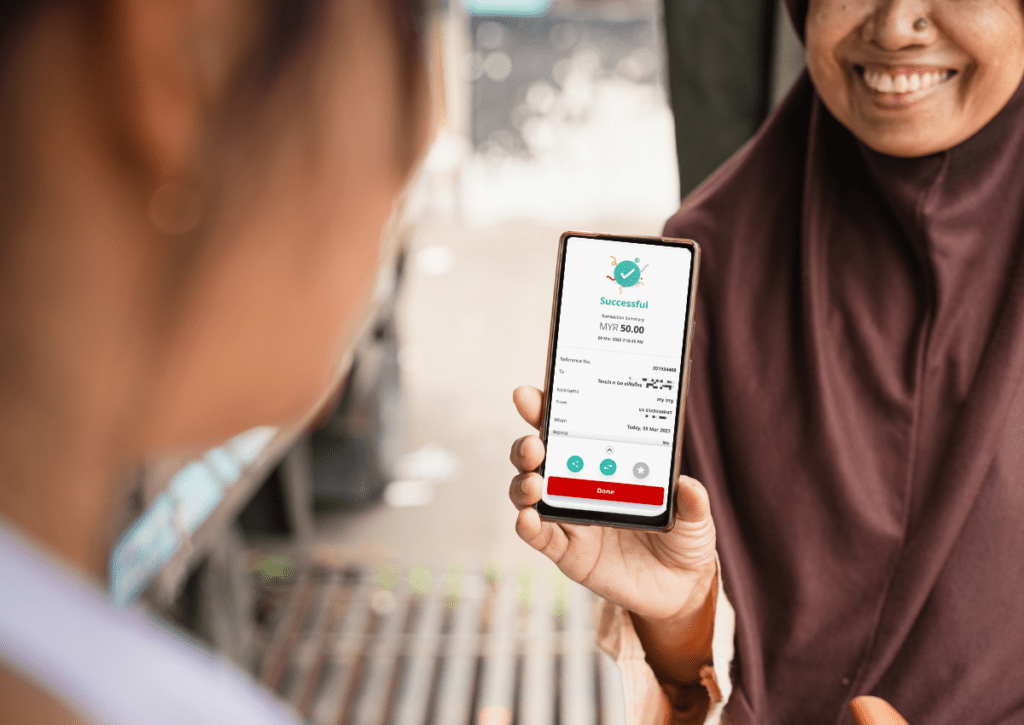
Selling online in Malaysia means adapting to local habits. Payments like FPX, GrabPay, and TnG dominate because they’re fast and familiar. Delivery expectations are shaped by local couriers and marketplace benchmarks — customers expect tracking, updates, and reasonable delivery times, especially to East Malaysia.
Compliance matters too. PDPA regulations dictate how customer data must be handled, while SST affects billing, invoicing, and reporting. A well-designed ecommerce system should handle these requirements seamlessly.
Choosing the Right Platform
Businesses often start with Shopify or WooCommerce because they offer speed and simplicity. They’re great for straightforward catalogues and smaller operations.
But when a business needs custom workflows — such as multi-warehouse logic, B2B pricing, loyalty systems, or deep integrations — a custom-built ecommerce platform becomes more practical. It supports unique business rules and scales better over time.
In other words, the best platform is the one that matches your future growth, not just your current setup.
How Costs Actually Compare
Here’s a simple, transparent snapshot that business owners appreciate:
Marketplace:
Low startup cost, but high long-term fees and zero customer ownership.
Hosted Platforms (Shopify/WooCommerce):
Moderate upfront cost, monthly fees, good for mid-level operations.
Custom Ecommerce:
Higher upfront cost, but the lowest long-term cost if your business needs automation, integrations, or specialized workflows.
The question is not “which is cheapest today,” but “which gives the highest ROI over the next three years.”
Where Businesses Commonly Struggle
Most ecommerce problems fall into familiar patterns:
-
Slow pages
-
Confusing navigation
-
Poor mobile layout
-
Too many steps during checkout
-
Payment failure loops
-
Manual inventory and shipping processes
These sound small, but they directly impact revenue. When fixed, sales often increase without additional ad spend
What a High-Performing Store Looks Like
A good ecommerce store feels simple from the outside, but it’s powered by careful design and strong backend logic. Customers find products quickly, checkout without friction, and get clear delivery expectations. Behind the scenes, the business runs efficiently thanks to automation, data tracking, and integrations that reduce manual work.
This combination — smooth customer experience + strong backend — is what separates “just a website” from a real ecommerce engine.

Trends Shaping Malaysian Ecommerce in 2026
More buyers start their journey on TikTok or Instagram before visiting a website. eWallets and Buy Now Pay Later options continue growing. Subscription and recurring-purchase models expand across multiple industries. AI-driven product recommendations become standard practice.
Malaysia’s ecommerce landscape keeps evolving — and businesses that adapt now will stay ahead.
Final Thoughts
Ecommerce is no longer just a digital storefront. It’s a core revenue driver and a direct representation of your brand. For Malaysian businesses, getting it right means owning your customer relationships, improving your margins, and building a platform that supports long-term growth.
If you want help understanding where your business stands — whether starting fresh or upgrading — We can outline the best approach based on your industry, product type, and goals.
Frequently Asked Questions
What makes a webstore “high-converting”?
A high-converting webstore isn’t just pretty — it guides shoppers clearly. It loads fast, explains value upfront, uses trust signals, and removes friction during checkout. The goal is simple: fewer drop-offs and more completed purchases.
Do I need a custom website, or can I rely on marketplaces?
Marketplaces are great for discovery, but they limit branding and control. A webstore gives you full ownership of your customer experience, long-term data, and repeat-purchase strategy — something no marketplace can offer.
How long does it take to build a conversion-focused store?
Most businesses can launch in 2–6 weeks, depending on product complexity and content readiness. The biggest delays usually come from unclear product information or missing media assets.
What are the most common mistakes to avoid when building a webstore?
Here are 5 high-impact mistakes that cost businesses sales:
-
- Overloading the homepage with too much content
- Poor product descriptions with no clear value proposition
- Missing trust signals (reviews, guarantees, certifications)
- Slow site speed due to unoptimized images
- Complicated checkout flow
Do I need a web designer or can I DIY everything?
You can DIY with modern platforms — but that usually results in inconsistent design, weak UX, or missing conversion triggers. A designer or strategist ensures the structure is built correctly from day one.
Will improving my webstore actually increase sales?
Absolutely. Brands that fix their content flow, navigation, and checkout experience often see 15–40% lifts in conversion rate, especially if the previous site had friction points.
What pages are essential for a modern webstore?
At minimum, you should have:
-
- A mobile-optimized homepage
- Clear category pages
- High-quality product pages with media + reviews
- A simple, distraction-free checkout
- About, FAQs, and customer support info
Table of Contents
Recent Posts
Contact us by submitting a business inquiry online through the link below.