
Putting Your Online Store on Autopilot: How Smart Backend Systems Stops Everyday Operational Chaos
Putting Your Online Store on Autopilot
- July 3, 2026
- Posted by: Nicholas Tan
- Category: Scaling Ecommerce in Malaysia

E-commerce Automation Systems
E-commerce Automation Systems
E-commerce Automation Systems
E-commerce Automation Systems
E-commerce Automation Systems
E-commerce Automation Systems
E-commerce Automation Systems
E-commerce Automation Systems
E-commerce Automation Systems
E-commerce Automation Systems
E-commerce Automation Systems
Introduction
Growth should bring profitability, not operational panic.Relying on human staff to manually bridge the gap between your store checkout and your fulfillment warehouse is a hidden tax on your business growth
True scaling happens when you stop thinking of your website as a digital storefront and start treating it as an interconnected workflow. For a complete look at how these pieces fit together, you can review The Complete Guide to Ecommerce in Malaysia. This article peels back the layers on how modern E-commerce Automation Systems stabilize your backend, protect customer satisfaction, and keep your cash flow moving without human intervention.
The Chaos of a Disjointed Storefront
Most standard online businesses run on “island software.” The website checkout sits on one island, your Shopee and TikTok marketplace stock counts sit on another, and your shipping fulfillment tool sits on a third.
To bridge the gap, staff must manually copy and paste tracking numbers, count inventory boxes by hand at the end of the day, and cross-reference agent commission logs.
When an operation relies on this manual copy-paste loop, human error is inevitable. A typed tracking number gets a digit wrong, a customer gets sent the wrong item variation, or an administrative backlog delays shipment logs by 48 hours.
In a digital marketplace where buyers expect immediate fulfillment, these small friction points instantly break customer trust.
-
Web Sale
-
Manual Data Copy
-
Courier Drop-off
-
Late Updates
-
Support Avalanche
Web Sale
Manual Data Copy
Courier Drop-off
Late Updates
Support Avalanche
The Win-Win Reality Check
The Everyday Headache: Your star product blows up via a local influencer’s live stream. Shoppers flock to your Shopee store and buy out your remaining 10 units. However, your official website platform doesn’t know it yet. A customer visits your main site, pays for the same item, and waits three days only to receive a frustrating email stating, “We are sorry, this item is actually out of stock.
The Automated Engine Fix (How Weby Does It): At Weby Digital, we replace separate operational islands with a centralized, real-time data hub. The split-second an item is purchased on any platform, our backend automatically adjusts stock thresholds across your entire ecosystem instantly.
The Dual Win:
- For the User: They shop with absolute confidence, knowing that what they see is exactly what is in the warehouse. They never face backorder delays or surprise order cancellations.
- For Your Business: You never accidentally over-sell items, your brand trust climbs, and you protect your platform from marketplace penalty flags while your backend automated systems handle agent payout logic flawlessly.
Localized Automation Systems Matters
The Malaysian digital market has evolved beyond simple template landing pages. Local buyers prioritize operational reliability over low prices, and businesses must adapt to these localized expectations:
- Omnichannel Domination: Local consumers switch between shopping apps and official brand sites effortlessly. If your multi-channel inventory isn’t consolidated, you run a constant risk of stock inconsistencies.
- Instant Logistics Visibility: Shoppers are accustomed to real-time fulfillment updates. If your tracking logs take days to sync up, it breaks customer trust. Learn how to map out a better delivery backend in our breakdown on Shipping Integration & Fulfillment Choices for Malaysia.
- Agent & Affiliate Scale: Social commerce is a massive driver for local growth. Manually tracking multi-level sales commissions for thousands of local agents on spreadsheets is physically impossible without automation.
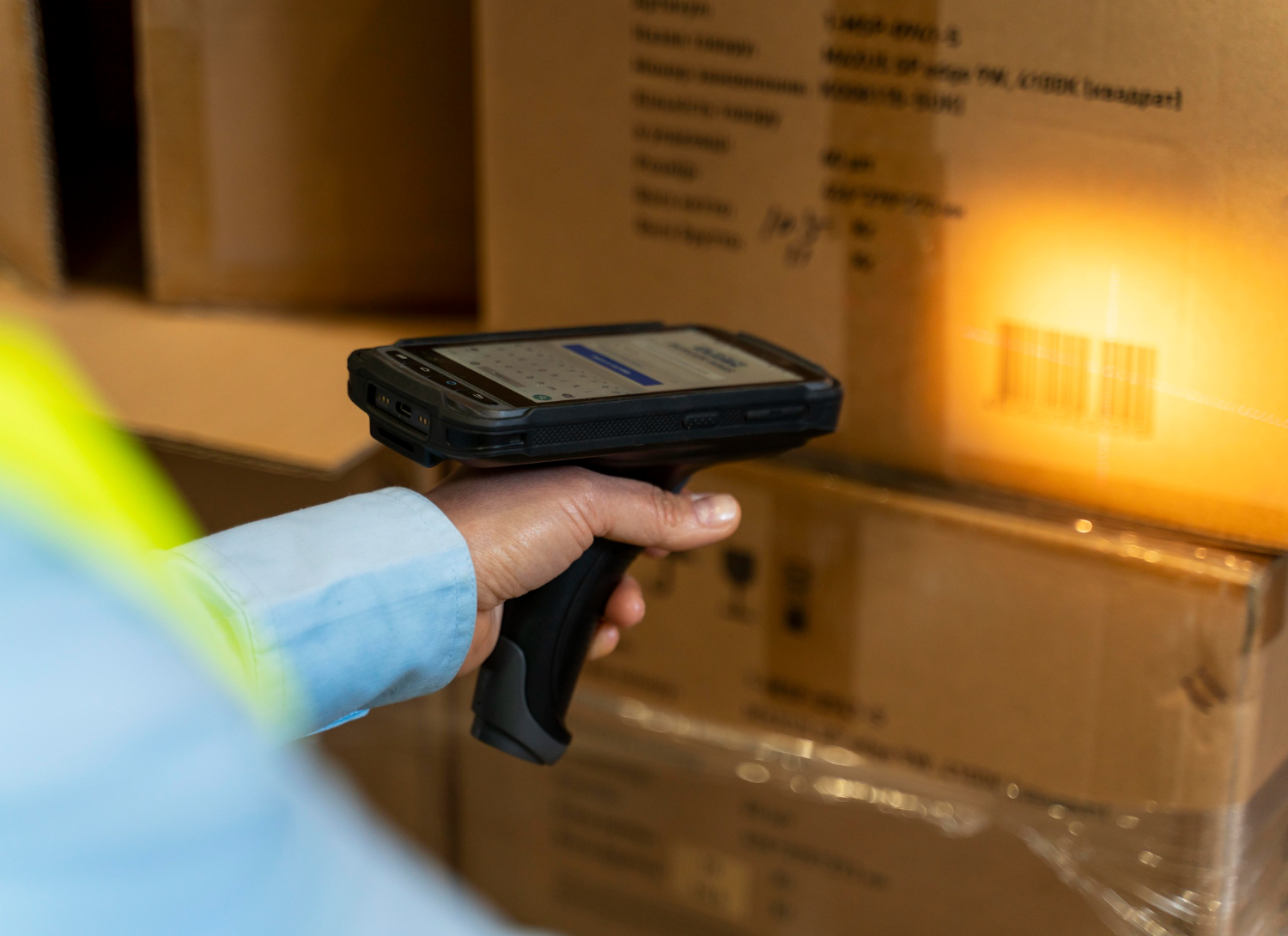
4 Core Automatic Workflows You Need
When your data layer is connected correctly, the heavy lifting of running an e-commerce brand is shifted from your office staff over to the computer:
1. Smart Dispatch Routing
Instead of an employee guessing which courier is best, the backend evaluates the order’s weight and delivery postcode instantly. It automatically selects the optimal carrier—whether that’s NinjaVan, DHL, or J&T—ensuring you aren’t bleeding money on inefficient shipping rates.
2. Proactive Stock Replenishment
The system calculates your weekly sales velocity alongside supplier transit times, automatically drafting a procurement PO when stock levels cross a critical threshold before a deficit happens.
3. Integrated Commission Splits
When you hook your automated backend into localized checkouts, commission processing happens instantly. You can read more about setting up these seamless transaction structures in our guide to Payments & Checkout Optimization for Malaysian Ecommerce Stores.
4. Dynamic Post-Purchase Webhooks
The system alerts your accounting module to generate an invoice while updating your customer service software simultaneously. This keeps your operating data perfectly transparent so you can track the Must-Track KPIs for Ecommerce Owners in Malaysia instead of guessing your monthly margins. simultaneously, ensuring your team has unified data clarity on a single dashboard layout.

High-Performing Automation Engine
Final Thoughts
The real value of an e-commerce platform isn’t determined by how pretty its design looks, but by how efficiently its backend runs. By moving away from manual database checks and adopting ecommerce automation systems, Malaysian brands can safeguard their profit margins, eliminate repetitive desk work, and build a platform designed for sustainable long-term scale.
If you are ready to stop managing your digital operations through chaotic spreadsheets and manual entry, we can help you build an integrated, automated backend custom-fit for your unique operational goals.
Frequently Asked Questions
Do I have to migrate off my existing platform to get automation?
Not necessarily. A well-designed automation system can be layered onto your current storefront using custom API connectors to bridge your existing platforms, saving you from a total website rebuild.
How long does it take to deploy real-time inventory sync loops?
Depending on the complexity of your sales channels and the variety of your warehouse locations, a secure sync engine can be designed, tested, and launched in a matter of weeks.
Will adding automation scripts slow down my website page speed?
No. We handle heavy automated processing tasks on isolated backend database frameworks. To see how page speed affects your search presence, review our benchmark notes on Ecommerce SEO Performance Best Practices Malaysia.
Table of Contents
Recent Posts
Contact us by submitting a business inquiry online through the link below.