
Shipping Integration & Fulfillment Choices for Malaysia
ecommerce shipping integration malaysia
Why Delivery Logic Impacts Conversion, Trust, and Long-Term Growth
- June 3, 2026
- Posted by: Weby Digital
- Category: Scaling Ecommerce in Malaysia
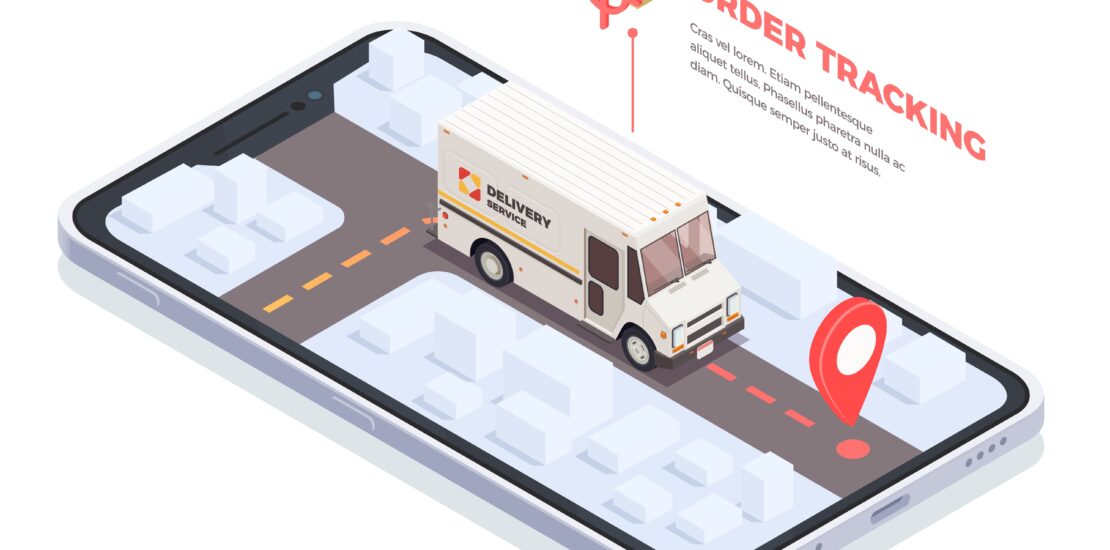
ecommerce shipping integration malaysia
ecommerce shipping integration malaysia
ecommerce shipping integration malaysia
ecommerce shipping integration malaysia
ecommerce shipping integration malaysia
ecommerce shipping integration malaysia
ecommerce shipping integration malaysia
Shipping Is Not “After Checkout”
Most ecommerce teams treat shipping as something that happens after payment.
Customers don’t.
For buyers, shipping expectations start before they click “Buy Now.” Delivery cost, speed, coverage, and reliability all influence whether checkout even begins. That’s why shipping logic must be designed alongside checkout, not bolted on later.
When shipping feels uncertain, users hesitate and hesitation kills conversion.
The Malaysian Shipping Reality Most Stores Ignore
Malaysia’s logistics landscape is fragmented.
Different regions, courier reliability, delivery times, and coverage zones create complexity that many stores oversimplify. A single flat-rate shipping rule might be easy to manage, but it often creates friction for customers — especially when expectations don’t match reality.
This disconnect shows up as:
-
Abandoned carts
-
Customer complaints
-
Failed delivery attempts
All of which feed back into engagement signals that search engines notice.

Shipping Options Directly Affect Conversion
Shipping isn’t just a cost, it’s a decision trigger.
We consistently see higher conversion when stores:
-
-
Show shipping options early
-
Clarify delivery timelines clearly
-
Match courier choice to product type
-
Ambiguity creates friction. Clarity builds confidence.
This is especially important when checkout performance is already optimized. Without good shipping logic, even the best checkout flow underperforms.
Fulfillment Speed Is a Trust Signal
Fast fulfillment isn’t just about speed — it’s about predictability.
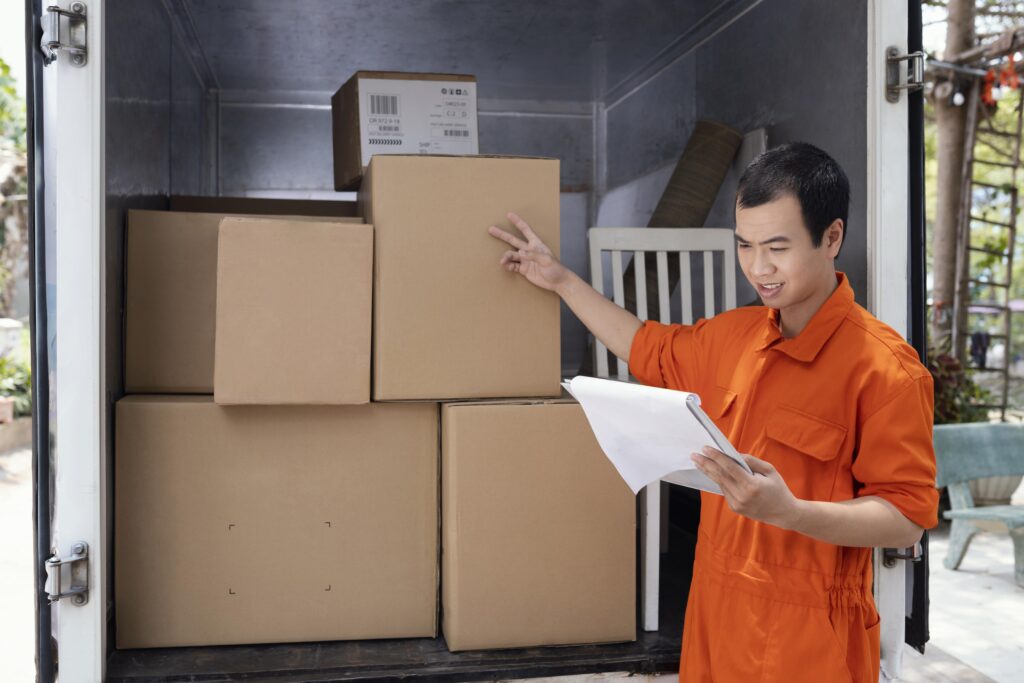
Customers care less about “same-day delivery” and more about whether promises are kept. When fulfillment systems aren’t integrated properly, delays cascade into refunds, disputes, and lost trust.
Repeated delivery issues, increase support volume and reduce repeat purchases these kinds of metrics are ones that directly impact long-term growth and brand strength.
Shipping Logic Exposes Platform Limitations
Many ecommerce platforms handle shipping rules well until complexity increases.
Problems appear when:
-
Multiple couriers are introduced
-
Weight-based pricing is required
-
Region-specific rules apply
-
Real-time rate calculations are needed
At this point, stores often realize their platform restricts backend control. This is usually when discussions about custom fulfillment logic begin.
Shipping Logic Exposes Platform Limitations
Many ecommerce platforms handle shipping rules well until complexity increases.
Problems appear when:
-
Multiple couriers are introduced
-
Weight-based pricing is required
-
Region-specific rules apply
-
Real-time rate calculations are needed
At this point, stores often realize their platform restricts backend control. This is usually when discussions about custom fulfillment logic begin (#5 When It’s Time to Move Off Template Stores & Build Custom Backend).
Shipping Failures Affect SEO More Than You Think
Search engines don’t track parcels, but they track behavior.
Late deliveries increase negative reviews, reduce return visits, and shorten session durations. Over time, these signals weaken site quality indicators, even if content and backlinks remain unchanged.
Shipping reliability quietly reinforces or erodes everything SEO builds.
Shipping Systems Must Scale With Traffic
Shipping logic that works at 10 orders a day often breaks at 1,000.
Campaign spikes, festive seasons, or influencer traffic expose weaknesses:
-
Courier APIs rate-limited
-
Manual fulfillment bottlenecks
-
Delayed order updates
These failures often happen at the same time checkout is under pressure, compounding the damage.
Shipping Systems Must Scale With Traffic
Shipping logic that works at 10 orders a day often breaks at 1,000.
Campaign spikes, festive seasons, or influencer traffic expose weaknesses:
-
Courier APIs rate-limited
-
Manual fulfillment bottlenecks
-
Delayed order updates
These failures often happen at the same time checkout is under pressure, compounding the damage (#6 How To Handle High Traffic / Scaling Ecommerce Without Crashing).

How Weby Digital Approaches Shipping Integration
We don’t “add couriers.”, We design fulfillment systems.
Our approach focuses on:
-
-
Structured shipping rules
-
Courier prioritization and fallback logic
-
System-level integration between checkout, fulfillment, and tracking
-
Shipping is treated as infrastructure and not a plugin.
This ensures delivery logic supports conversion, retention, and growth instead of limiting it.
What Comes Next
Once shipping and fulfillment are stable, most ecommerce owners make a critical mistake — they stop evaluating performance beyond delivery success.
Shipping doesn’t just move parcels.
It quietly influences conversion rate, repeat purchase behavior, refund rates, and customer lifetime value. Without tracking the right metrics, stores assume shipping is “working” simply because orders are delivered.
That assumption hides real problems.
The next stage of ecommerce maturity is visibility: understanding how shipping performance affects the business as a system. This includes measuring:
-
Drop-off points tied to delivery cost visibility
-
Repeat purchases based on fulfillment reliability
-
Regional performance differences by courier
-
Customer complaints relative to delivery timelines
These insights don’t come from default dashboards. They require intentional KPI tracking that connects operations to revenue.
In the next article, we break down which metrics that actually matter for Malaysian ecommerce owners, how to interpret them correctly, and how to avoid being misled by surface-level numbers.
Shipping creates outcomes while KPIs explain why those outcomes happen.
Frequently Asked Questions
Should shipping costs be shown before checkout?
Yes. When shipping costs are hidden until late in the checkout process, abandonment increases sharply. Early visibility sets expectations and reduces decision friction, especially for first-time buyers.
Is faster shipping always better?
No. Predictability beats speed. Customers are more likely to complete purchases and return when delivery timelines are accurate and consistently met — even if they’re not the fastest available.
When should shipping logic be customized?
When order volume grows, product weight varies, or regional delivery performance differs significantly. Flat rates often mask inefficiencies and create long-term margin erosion.
Does shipping affect SEO directly?
Not directly — but indirectly through engagement signals. Late deliveries increase negative reviews, reduce repeat visits, and shorten session durations, all of which weaken overall site quality signals over time.
Table of Contents
Recent Posts
Contact us by submitting a business inquiry online through the link below.